
Found 0 results
Match 0 of 0
Rentals ● Sales ● Service
If it has to be moved, raised or lowered and you don’t know how… – we do!
Found 0 results
Match 0 of 0
If it has to be moved, raised or lowered and you don’t know how… – we do!
A grout-filled flat jack is a very thin hydraulic jack that lifts or pre-loads a structure and then stays in place as permanent support. It is made from two steel plates welded together around the edge. Pumping fluid into the sealed cavity forces the plates apart, and once the jack is filled with cementitious grout or epoxy resin that hardens, it becomes a permanent, load-bearing part of the structure.
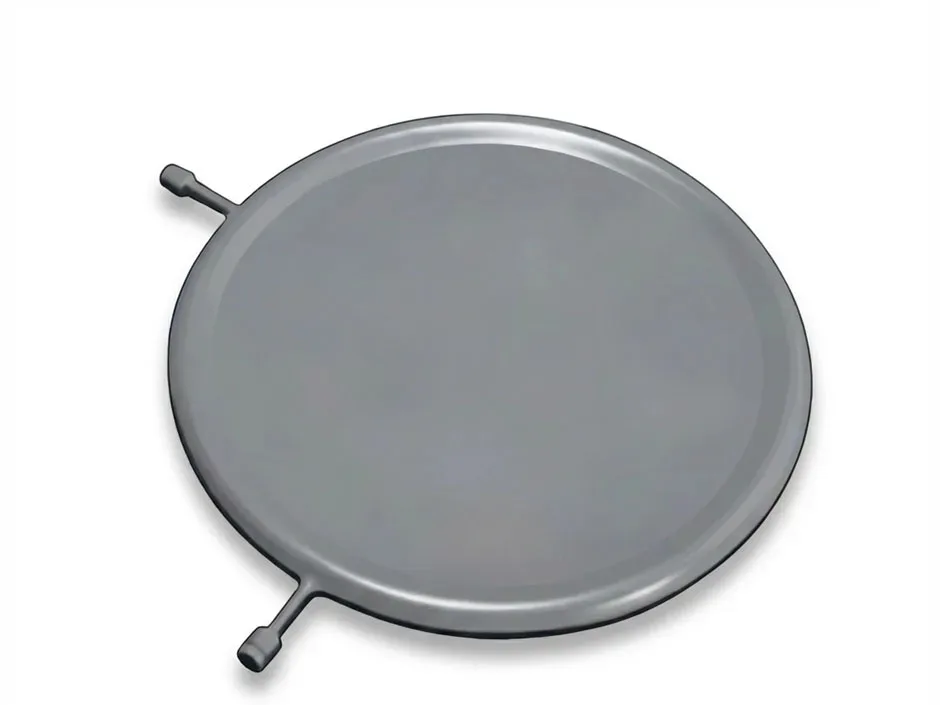
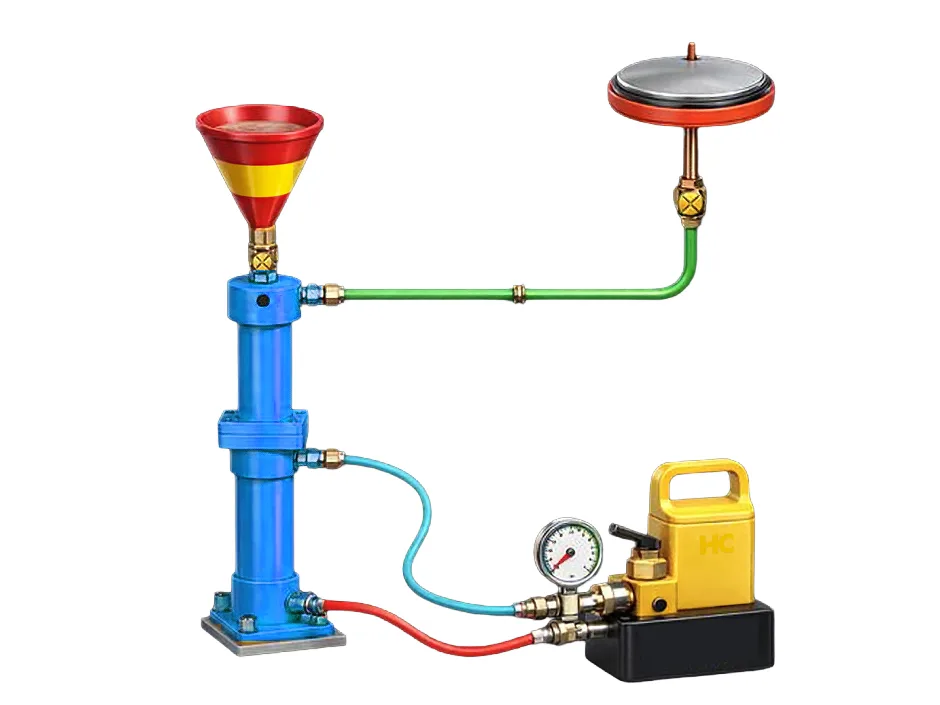
The jack is placed in a narrow gap between structural elements, typically under a bridge bearing, beam or column. It is then filled with grout or resin in one of two ways:
Once the grout or resin has hardened, the load is locked in permanently and the jack becomes a maintenance-free shim.
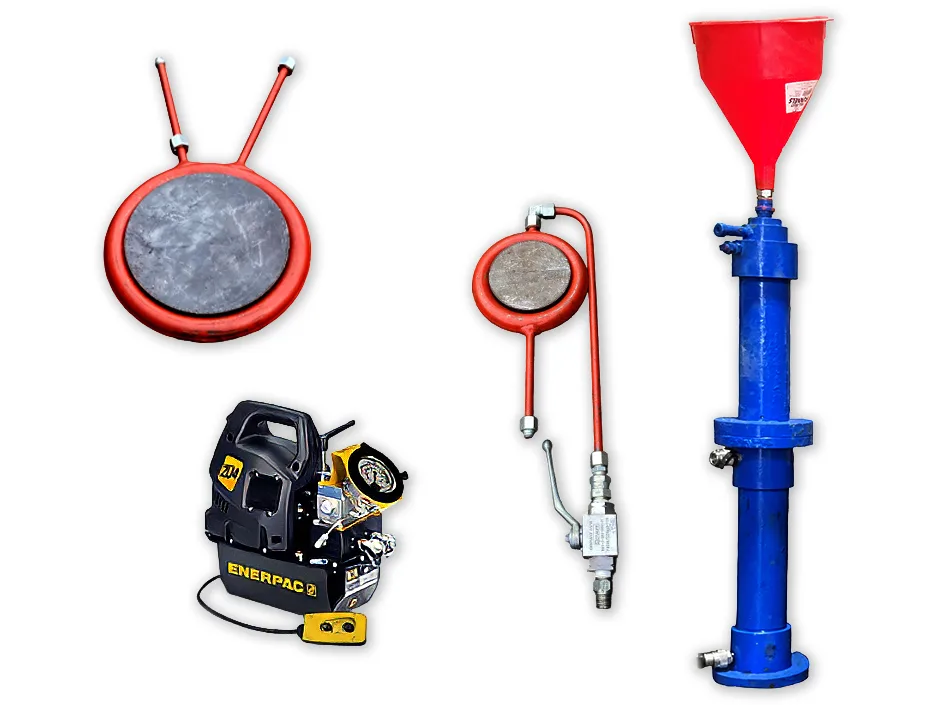
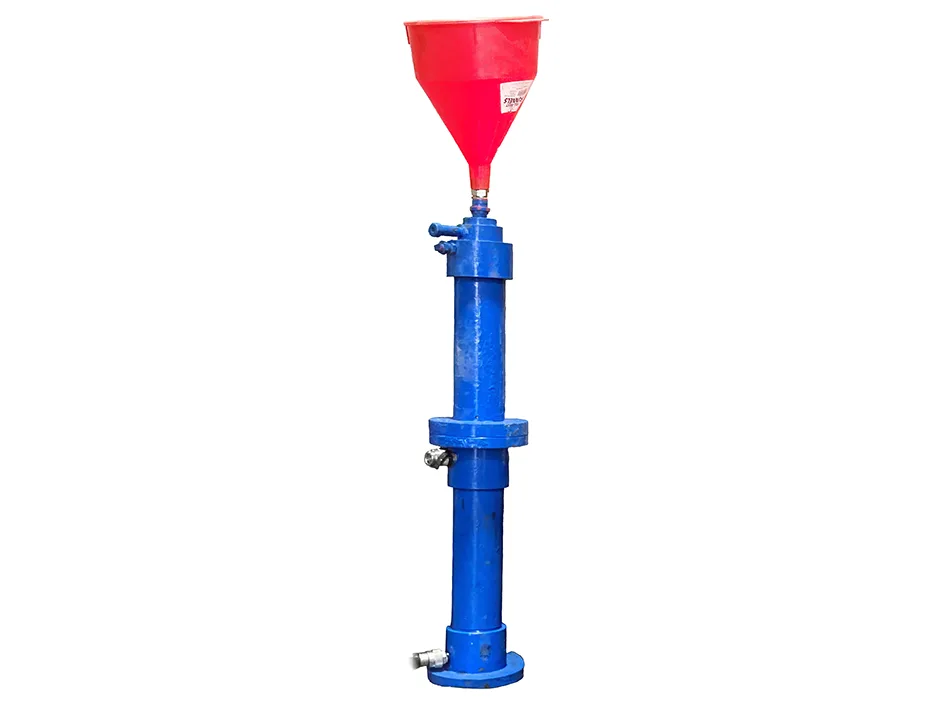
WB Equipment can help select the correct flat jack size and capacity for your project. Call 866-522-5464.
Grout-filled flat jacks are very thin hydraulic jacks made from two steel plates welded together around the edge. They are placed in a narrow gap between structural elements and filled under pressure with cementitious grout or epoxy resin to lift, pre-load or transfer load. Once the grout hardens, the jack stays in place as a permanent support.
Permanent flat jacks are usually filled with a high-strength, flowable, non-shrink cementitious grout or with epoxy resin. The engineer and jack supplier specify the material, which must be pumpable through the jack’s ports and reach the required strength.
The jack is placed in a prepared gap between flat, parallel surfaces. Fluid pumped into the cavity forces the two plates apart, and the force equals the pressure multiplied by the jack’s effective area. The jack can be filled with grout or resin from the start, or first inflated with hydraulic oil or water, which is then replaced with grout while the jack stays under load, a process called transfusion. When the grout cures, the load is locked in permanently.
Yes. Once filled with grout or resin they are permanent and sacrificial, staying in the structure for its working life. Flat jacks can also be used temporarily, inflated with hydraulic oil or water and removed afterwards.
Bridge bearing installation, replacement and pre-loading; pre-loading structural steelwork and load transfer; lifting and re-levelling structures in tight spaces; underpinning and settlement correction; excavation struts and propping; and installing seismic isolation bearings.
A very low installed height (about 1.25–1.6 in or 32–40 mm), known and controllable forces, low bearing stress on concrete and masonry, and lift and permanent support in one unit, with no oil left in the structure.
A hydraulic cylinder is a taller, reusable tool that is normally removed after the work. A flat jack is only about 1.25–1.6 in high, so it fits gaps a cylinder cannot, spreads the load over a large area and, when filled with grout, stays in place as permanent support.
Yes, when properly designed, installed and monitored. Work should follow the supplier’s instructions and an engineer-approved method statement. Jacks must be protected from shear and sideways movement, and people kept clear of the loaded area.
Yes, they can lift or re-level parts of buildings when designed and installed by qualified engineers and contractors. Each jack lifts only about 1 in (25 mm), so larger lifts use packing or double-stacked jacks.
Limited stroke of about 1 in per jack, a minimum gap of about 1.4 in (35 mm), the need for flat, parallel bearing surfaces, compression-only loading, curing time before the grout carries full load, and they cannot be reused once grouted.
Flat jacks range from about 4 tons to over 1,500 tons capacity (35–13,800 kN) at maximum pressures of 140–150 bar. For best control, the working load should be 25–75% of rated capacity, confirmed by a structural engineer.
Prepare flat, parallel contact surfaces; place the jack and any packing with shear restraint; connect injection hoses, valves and gauges; inflate with grout or resin (or oil or water first, then transfuse to grout); monitor pressure, load and movement; and allow the grout to cure before removing temporary equipment.